Gardening Services in Maida Vale

Our gardening services in Maida Vale are arranged to keep outdoor spaces tidy, healthy and easy to use throughout the year. We work across routine maintenance and more involved garden work, covering lawns, hedges, borders, planting areas and general tidying. The aim is practical rather than decorative: a garden that looks cared for, functions well and is manageable between visits or seasonal projects.
For many properties, the most useful approach is a planned mix of maintenance and occasional restorative work. That can include regular mowing, hedge trimming, leaf clearance, border care and shape corrections after a period of growth. When a garden has become overgrown or neglected, we can also tackle the first clean-up so that the space is ready for ongoing upkeep rather than another one-off rescue.
We provide a clear quotation after understanding the size of the area, the access involved and the type of work requested. If you are comparing options, use the pages below to see the individual services and choose the level of help that suits your garden best. Ask for a quotation when you are ready to move forward.
Routine Garden Maintenance
Regular garden maintenance is often the simplest way to prevent jobs from building up. A maintained garden is easier to keep neat because grass is cut before it becomes coarse, hedges are trimmed before they spill beyond their lines, and beds stay clearer of weeds and seasonal debris. Our maintenance work is suitable for gardens that need dependable upkeep rather than a one-off transformation.
Typical tasks include mowing, edging, light pruning, weed control in beds and paved areas, clearing fallen leaves, removing spent growth and keeping paths and access routes free from clutter. In some gardens, we also focus on tidy presentation around front areas, communal spaces or rear courts where a well-kept finish matters just as much as plant health. Garden maintenance can be arranged as a repeat service or as a single visit when the work has fallen behind.
If you already know the main issue, it is often helpful to describe it in plain terms: overgrown edges, heavy leaf fall, a hedge that has gone wide, or a lawn that needs bringing back into shape. We can then match the work to the condition of the garden rather than treating every space the same. In many cases, a short note about access and the rough size of the area is enough to start the conversation.
Lawn Care and Regular Mowing

A lawn needs more than a quick cut when it is to stay even and healthy. Regular mowing supports a consistent finish, but the result also depends on height, frequency, edging and the condition of the surrounding borders. Our lawn care work is aimed at keeping grass manageable, improving presentation and reducing the patchy look that appears when a lawn is left too long between cuts.
We can carry out lawn mowing as a standalone task or as part of broader garden maintenance. This may include trimming the edges, clearing cuttings where required, and checking that the grass is cut cleanly rather than scalped. Where a lawn has become longer or uneven, it is usually better to reduce it carefully in stages so the surface is left in a healthier condition. Lawn mowing is useful for homes that want straightforward, repeat grass care without unnecessary extras.
Lawns often need different attention depending on shade, wear and how the garden is used. Areas near paths, play spaces or entrances may be cut more often, while less-used sections may need a gentler approach. If your priority is a neat appearance, we can focus on crisp lines and consistent height; if you are aiming for resilience, the work can be adjusted to suit the grass and the season.
Hedge Trimming and Shape Control
Hedges can define the structure of a garden, but once they start to spread they quickly make the whole space feel untidy. Trimming keeps them within bounds, preserves their shape and prevents them from blocking light, paths or boundaries. Our hedge work is suitable for formal front hedges, boundary screening and mixed garden growth that needs a careful cut rather than a harsh reduction.
We trim to improve outline and manage density, taking care not to remove more growth than the hedge can sensibly handle at that time. In some cases the work is best completed as routine maintenance; in others, an initial reduction is needed before regular trimming can continue. Hedge trimming is a practical way to keep the structure of the garden sharp without letting growth spread into surrounding areas.
Good hedge work depends on more than just cutting the outer face. Height, depth, recent growth and nesting or seasonal limitations can all affect how the job is planned. If the hedge has been left for a while, it may need a staged approach or a discussion of what finish is realistic in one visit. That keeps the outcome tidy without placing unnecessary stress on the plants.
Garden Clearance for Overgrown Spaces
When a garden has been left for some time, the first job is usually to clear away the material that is hiding the usable space beneath it. Garden clearance may involve long grass, brambles, dead plants, fallen branches, accumulated leaves and general outdoor waste that prevents the area from being used properly. The point is to restore order so the garden can be seen and assessed again.
This type of work is especially helpful where normal maintenance has not been possible and the garden needs a more decisive reset. We can remove untidy growth, open up paths and borders, and prepare the ground for later maintenance or landscaping. Garden clearance is often the starting point before other improvements, because it turns a cluttered outdoor area back into a workable space.
Clearing a garden is not the same as simply cutting everything down. Different material may need different handling, and the result should leave the area ready for whatever comes next, whether that is a clean-up, planting, lawn work or a more complete redesign. A sensible clearance plan takes account of the current state of the garden, what should be retained and what needs to go.
Landscaping and Garden Changes
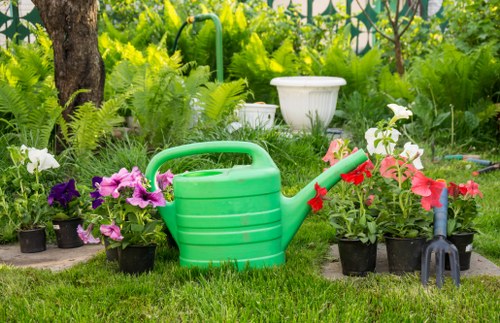
Landscaping is the broader service for gardens that need a different layout, improved surfaces or a more deliberate finish. It can involve reshaping areas, improving how the space is used, or combining planting and hard landscaping so the garden feels ordered rather than improvised. We approach landscaping as a practical process: first understand the space, then make changes that suit its size, access and intended use.
Depending on the brief, work may include preparing ground, adjusting borders, refreshing tired sections and improving the balance between planted and open areas. Landscaping is a suitable route when maintenance alone is no longer enough and the garden needs a more substantial change. For clients who want stronger structure, landscape gardening can bring together planting and layout decisions in a way that is still manageable and realistic.
Because every garden has its own conditions, the best results usually come from a measured plan rather than a rushed overhaul. Soil condition, sunlight, drainage and existing features can all affect what is sensible. We therefore keep the focus on useful decisions: what should stay, what should be removed, and which changes will make the outdoor space easier to live with in the long term.
About Maida Vale
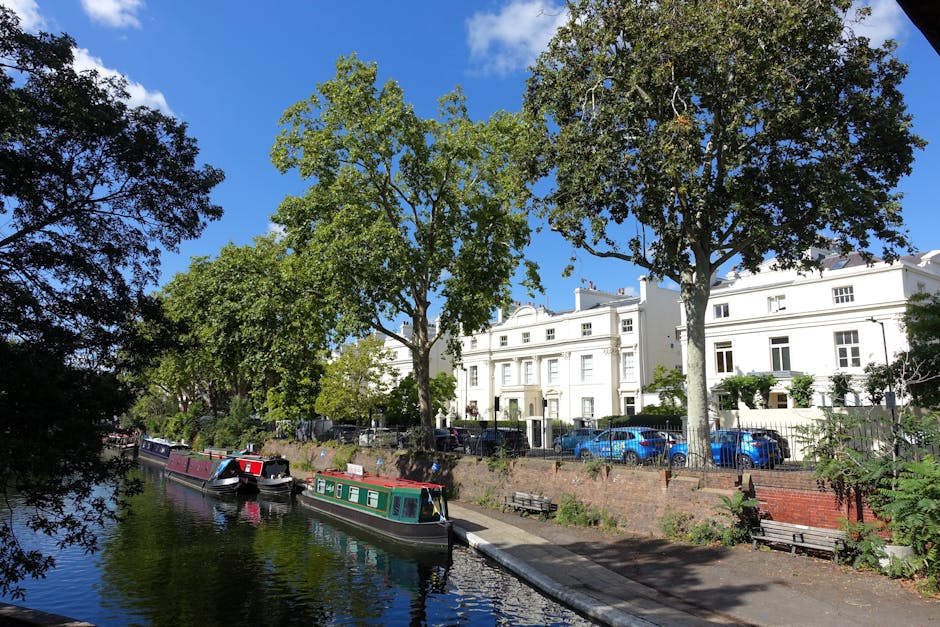
Maida Vale is a residential district in west London, known for its broad streets, mansion blocks and canalside settings. It sits between Paddington to the east and Westbourne Green and Kilburn to the west, with Little Venice forming one of its most recognisable nearby areas. The district takes its name from the Maida Hill area and the Battle of Maida, and over time it developed into an elegant urban neighbourhood with a strong late Victorian and Edwardian character. Many of its streets are lined with stucco-fronted terraces, garden squares and long apartment blocks that reflect the area’s growth during the 19th and early 20th centuries.
Tree Work and Larger Garden Features
 Some gardens need more than mowing and trimming. Where trees, tall shrubs or larger planting features dominate the space, the work may involve reduction, shaping or removal to improve safety and balance. We approach tree-related tasks carefully, especially where branches overhang roofs, lean into neighbouring spaces or cast too much shade over the rest of the garden. The aim is to make the area safer and more usable while keeping the work proportionate to the condition of the tree.
Tree lopping and removal is relevant when a tree has become too large for the space, is interfering with adjacent planting, or needs to be reduced for access and light. In other cases, a smaller intervention may be enough, particularly if the tree is healthy and only requires selective cutting or management around the crown. We look at the job in practical terms rather than assuming that every tree needs the same treatment.
Large shrubs, woody growth and mixed borders can be dealt with alongside tree work so that the overall garden does not feel uneven. If the garden includes both mature planting and areas that are intended for simpler upkeep, it is often best to coordinate the work so the result is coherent rather than piecemeal. This can save the space from looking half-finished after the main branches or overgrown material are removed.
Decking Areas and Outdoor Surfaces
Decking can make a garden more usable, but it also needs care if it is to remain tidy and safe underfoot. Moss, surface dirt and weathering can all make boards look tired, while poorly maintained edges and steps can affect the overall finish. Our decking-related work is focused on keeping these areas in better condition and helping them sit neatly alongside the rest of the garden.
Decking services may be relevant when a garden includes a timber platform, seating area or access route that needs maintenance or improvement. Depending on the space, the work may involve treating the surrounding garden so the decking is no longer buried by growth, or supporting a change that makes the surface more integrated with the rest of the outdoor layout. The point is to make the feature useful, not just present.
Hard surfaces and planted areas work best when each has a clear role. A decking area should feel like part of the garden rather than an obstacle in it, so we consider nearby borders, paths and lines of movement when planning the task. Where the space is cramped or irregular, a careful finish can make the difference between an awkward corner and a genuinely useful outdoor zone.
Quotations, Access and Preparing the Job
 A quotation is usually easier to prepare when the main work is described clearly from the outset. It helps to know whether you need maintenance, clearance, hedge work, mowing or a broader landscaping task, as well as the rough size of the garden and any access issues. Photos can be useful if they help show the current condition, but a written description is just as helpful when the work is straightforward.
For larger or more mixed jobs, it is often sensible to note which areas matter most and which items should be left in place. That allows the quote to reflect the actual priorities rather than guessing at them. If the garden includes a driveway, side passage or rear access point, mentioning it early can also help shape the plan. Pricing and quotes gives you a straightforward route to request the figures for the work you have in mind.
We keep the process practical: you tell us what the garden needs, we review the likely scope, and then a quotation can be prepared around the tasks that matter. Request your quotation today if you want to turn a neglected or busy garden into something more manageable.
Working With Existing Planting and Seasonal Growth
Many gardens do not need a complete overhaul; they need attention to what is already there. Existing shrubs, climbers, herbaceous borders and small ornamental trees can all be retained while improving the order around them. This kind of work is especially useful where planting has become tangled, where dead stems remain after a season change, or where a few dominant plants are crowding out the rest of the space.
Seasonal growth changes the character of a garden quickly, which is why a sensible plan should reflect the time of year and the condition of the planting. Spring growth may need shaping and defining, while autumn work may focus on clearing, cutting back and preparing the space for less active months. If you want a garden that still feels lived in rather than stripped back, a balanced approach to the planting is often the best answer.
The choice between light maintenance and stronger intervention depends on how the garden is used. In some spaces, the priority is simply to keep everything neat; in others, a little selective reduction opens up light and makes paths easier to follow. Services overview is a useful starting point if you want to compare the main types of work before deciding which service to request.