Little Venice canal gardeners Maida Vale maintenance W9: a practical guide to keeping waterside gardens thriving
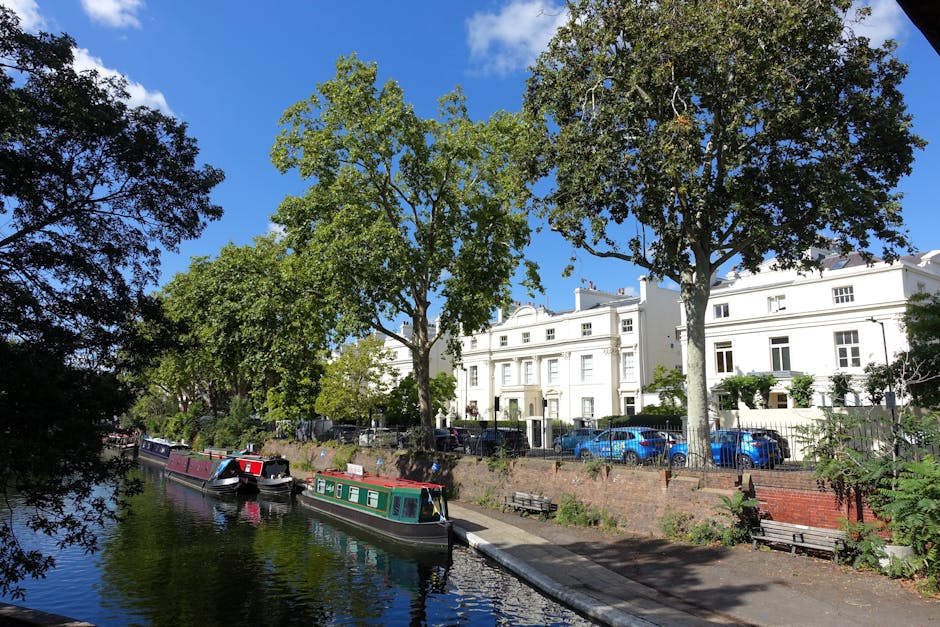
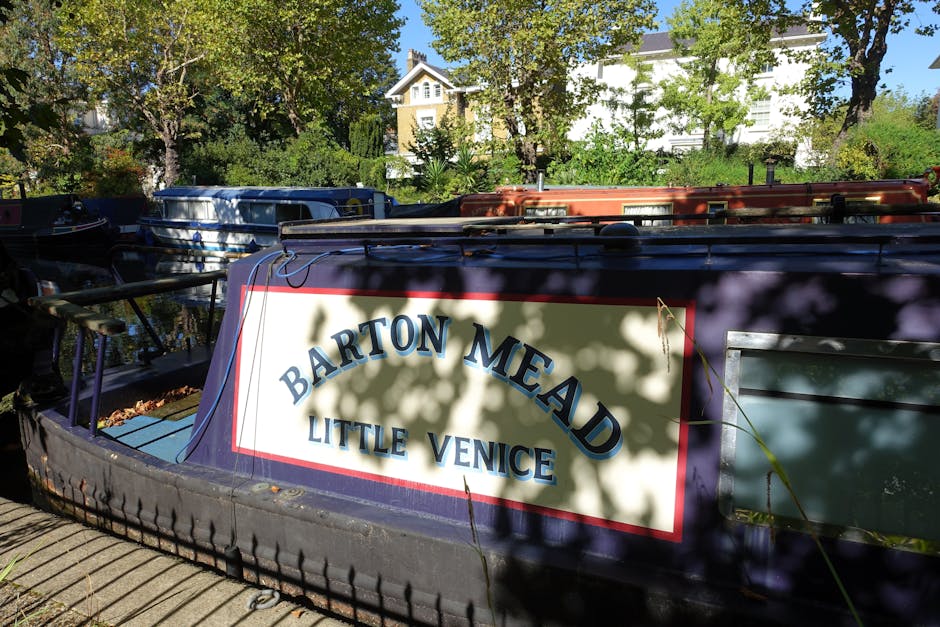
Little Venice has a very particular feel to it. You notice the narrowboats, the soft reflections on the water, the tucked-away gardens and the way planting has to work a little harder than it might on a normal street. That is exactly why Little Venice canal gardeners Maida Vale maintenance W9 is such a useful service to understand properly. It is not just about mowing a lawn or trimming a hedge. It is about caring for gardens that sit close to the canal, deal with changing light, damp air, wind exposure, and the everyday wear that comes with a busy London neighbourhood.
If you live nearby, manage a property, or look after a shared outdoor space, the right maintenance approach can keep things tidy without making the garden feel overworked or stripped back. Done well, it protects planting, improves kerb appeal, and saves you from those awkward moments when a space looks fine from a distance but starts to struggle in the corners. Let's face it, waterside gardens can look easy until you are the one maintaining them.
This guide walks through how canal-side garden maintenance works in Maida Vale W9, why it matters, what good service looks like, and how to choose an approach that suits your space. It is written for people who want practical answers, not fluff.
Table of Contents
- Why Little Venice canal gardeners Maida Vale maintenance W9 Matters
- How Little Venice canal gardeners Maida Vale maintenance W9 Works
- Key Benefits and Practical Advantages
- Who This Is For and When It Makes Sense
- Step-by-Step Guidance
- Expert Tips for Better Results
- Common Mistakes to Avoid
- Tools, Resources and Recommendations
- Law, Compliance, Standards, or Best Practice
- Options, Methods, or Comparison Table
- Case Study or Real-World Example
- Practical Checklist
- Conclusion
- Frequently Asked Questions
Why Little Venice canal gardeners Maida Vale maintenance W9 Matters
Canal-side gardens are not the same as standard front or rear gardens in a central London postcode. The closeness to water changes how planting behaves. Some beds hold moisture for longer. Other areas dry out faster than expected because of wind, reflected heat, or shade from nearby buildings and trees. Add in narrow access, shared boundaries, and a mix of paved and planted surfaces, and maintenance becomes more nuanced than a quick tidy-up.
In Little Venice and Maida Vale W9, that nuance matters for a few reasons:
- Plant health: species need to suit the local microclimate, not just the look you want on paper.
- Space management: canal-side plots often have awkward edges, tighter access, and limited storage.
- Appearance: well-kept planting makes a big difference in a neighbourhood where people notice details.
- Safety and access: paths, steps, edges, and shared entrances need to stay clear and usable.
- Neighbour relations: a tidy, well-planned garden reduces friction in shared or adjoining spaces.
There is also a visual point that gets missed a lot. Waterside gardens can look beautiful even when they are slightly unruly, but in practice that can tip into overgrowth surprisingly quickly. One week the border feels full and natural; the next, a climber is leaning into the path and a shrub is hiding the light from everything beneath it. A small amount of regular attention prevents that slide.
Practical takeaway: canal gardens in W9 do best with steady, seasonal maintenance rather than occasional heavy intervention. Small, consistent care usually beats dramatic catch-up work.
If you are comparing providers or trying to understand what a proper service should include, a good starting point is the services overview, which helps you see how garden care can be structured across different needs.
How Little Venice canal gardeners Maida Vale maintenance W9 Works
Good maintenance starts with a proper look at the site. Not a rushed glance. A capable gardener will usually consider how the space behaves across the day, where water lingers, which plants are stressed, and whether the garden is mostly decorative, partly functional, or something in between.
In a canal-side setting, maintenance often includes a blend of recurring tasks and seasonal work. That might sound obvious, but the mix matters. A garden that needs weekly deadheading and fortnightly weeding has a very different rhythm from one that mainly needs pruning, clearing, and occasional soil improvement.
Typical maintenance tasks
- Clearing weeds from beds, paving, and edges
- Pruning shrubs, climbers, and small trees
- Deadheading flowers and tidying spent growth
- Cutting back growth that blocks paths or windows
- Checking drainage, soil condition, and watering needs
- Managing leaf fall and canal-side debris
- Refreshing mulch or compost where needed
- Monitoring for pests, mildew, and general stress
For many Maida Vale and Little Venice properties, the work is also about rhythm. A strong routine keeps the space from swinging between neglected and over-managed. That's the sweet spot. Not too rigid, not too loose.
Maintenance can be arranged as a one-off visit, a seasonal tidy, or an ongoing plan. If you are trying to figure out the best fit for your property, it is worth reading the pricing and quotes information alongside the service details, because the right schedule usually depends on the size, plant mix, and how much hands-on care the garden needs.
What makes canal-side maintenance different?
It is the environment. Simple as that.
Near the canal, you may see more moss on hard surfaces, more wind stress on taller planting, and more uneven growth where shade shifts through the day. Some gardens feel sheltered but damp; others are bright but exposed. The maintenance approach has to respond to the actual site, not just a generic checklist. If someone treats every W9 garden the same, they are probably missing a few things.
Key Benefits and Practical Advantages
Well-planned maintenance is not only about appearance. It supports the long-term life of the garden and reduces the odds of expensive corrections later on. Truth be told, a lot of garden problems start small and quietly.
1. Better plant survival
When plants are pruned at the right time, watered sensibly, and kept free of competing weeds, they are simply healthier. You get stronger roots, more balanced growth, and fewer losses after cold snaps or dry spells.
2. A calmer, more usable space
Overgrown planting makes paths feel smaller and shared areas feel cluttered. Regular maintenance restores breathing room. That can be the difference between a garden you pass through and a garden you actually want to sit in with a coffee.
3. Lower long-term costs
Regular care is usually cheaper than rescue work. A neglected border often needs more labour, more materials, and more time to bring back under control. It is a bit like servicing a boiler versus waiting until it fails. Different thing, same logic.
4. Better seasonal flow
A maintained canal garden looks different across the year, but still feels intentional. Spring growth, summer fullness, autumn clear-downs, winter structure. That continuity is what keeps a space feeling cared for rather than simply busy.
5. Reduced risk around access points
In a canal setting, paths, steps, railings, gates, and entrances need to stay clear. Regular maintenance helps prevent slipping hazards, blocked access, and awkward trip points caused by unchecked growth or debris.
For readers concerned about safe working methods and standards, the site's health and safety policy and insurance and safety information can be helpful when reviewing how a provider approaches risk.
Who This Is For and When It Makes Sense
This kind of service suits a fairly wide range of people, and not just homeowners with a large, polished garden. In fact, some of the most demanding spaces are the smaller ones. Tiny courtyards, narrow frontage planting, shared access areas, and waterside terraces can become messy faster than people expect.
It makes sense if you are:
- A homeowner wanting reliable upkeep without doing everything yourself
- A landlord trying to keep a rental property presentable between tenancies
- A resident with a canal-facing garden that needs specialist attention
- A managing agent or building representative coordinating shared outdoor areas
- Someone with limited time, mobility, or gardening confidence
- A property owner preparing for sale, letting, or a seasonal refresh
It also makes sense if you keep putting off the same jobs. Weeds grow, shrubs drift, and then suddenly you're looking at a Saturday of work that would have been ten minutes here and there. Been there, honestly.
If you are still at the decision stage, the about us page is useful for understanding the approach behind the service, while contact us is the sensible next step if you want to ask about a specific garden condition or maintenance request.
Step-by-Step Guidance
If you are arranging maintenance for a Little Venice or Maida Vale garden, the process is usually straightforward, but the details matter. Here is a practical way to think about it.
Step 1: Walk the space properly
Start with a full walkthrough. Look at beds, borders, paving, access points, containers, and any features near water or shared walkways. Note what feels urgent and what can wait. A good assessment is never just about what looks messy. It is about what is likely to become a problem next.
Step 2: Separate essential work from cosmetic work
Some jobs are about safety and access. Others are about presentation. Keeping those apart helps set priorities. For example, removing a fallen branch or clearing a slippery path usually matters more than shaping every shrub on the same visit.
Step 3: Match the schedule to the season
Spring and summer often need more frequent visits because growth is active. Autumn usually brings leaf clearance and cut-back work. Winter is often quieter, but that does not mean nothing is happening. It is the ideal time for planning, pruning some species, and keeping an eye on structure.
Step 4: Choose the right maintenance rhythm
Not every garden needs the same cadence. Some need weekly attention, others can be managed monthly or seasonally. The right schedule depends on planting density, access, exposure, and how polished you want the result to feel.
Step 5: Review results and adjust
After a few visits, review what is working. Are beds holding moisture too long? Is one area being missed because of awkward access? Is a plant choice proving too vigorous? That kind of feedback loop is where maintenance becomes really effective. A little adjustment goes a long way.
- Assess the site in daylight, not just on a quick drive-by.
- Prioritise access, safety, and plant health.
- Set a realistic maintenance schedule.
- Keep seasonal jobs separate from routine tidy-up tasks.
- Review and refine the plan after the first few visits.
Expert Tips for Better Results
There are a few practical habits that make canal garden maintenance noticeably better. None are fancy. They just work.
Choose planting that suits the location
Canal-side conditions can be slightly odd, to be fair. A plant that thrives in a dry, sunny courtyard might sulk beside the water, while a shade-tolerant plant may suddenly love the reflected light. The best gardens are usually built around plants that fit the site rather than fighting it.
Use mulch wisely
Mulch helps reduce weeds and stabilise moisture, especially in borders that dry out or fluctuate quickly. But it should be applied with care. Too much mulch around stems can cause problems. A light, even layer is usually the better move.
Keep hard surfaces under control
Moss, algae, leaf debris, and plant encroachment can make paths feel slippery or cramped. A tidy edge between paving and planting makes the whole space look sharper. Oddly enough, these small transitions are often what make a garden feel professionally maintained.
Prune for structure, not panic
It is tempting to cut everything back when something starts to get out of hand. But heavy pruning at the wrong time can do more harm than good. Good maintenance is measured, not dramatic.
Watch the first signs of stress
Wilting leaves, patchy colour, mildew, and stunted growth often show up before more obvious problems. Catching those signs early can prevent a bigger issue later. In a canal garden, that early response really matters because conditions can change fast.
Expert summary: the best results usually come from small, regular interventions, a site-specific planting plan, and a gardener who pays attention to what the garden is telling them.
Common Mistakes to Avoid
Even well-meaning garden owners make a few predictable mistakes. Nothing shameful about it. Gardens can be quietly demanding.
Waiting too long between visits
If a garden only gets attention when it looks bad, maintenance becomes corrective rather than preventative. That is usually more expensive and less satisfying.
Over-pruning ornamental planting
Not every plant wants a hard cut. Some lose shape, flower power, or natural character if they are trimmed too heavily or at the wrong time.
Ignoring access and safety
Canal-side gardens often have awkward routes, steps, or narrow sections. If these are blocked by growth or clutter, the garden stops being practical.
Using one approach for every season
Spring growth, summer watering, autumn clearance, and winter protection all ask for different priorities. A year-round "same as last time" approach is rarely the best one.
Choosing maintenance purely on price
Cheapest is not always best if it means rushed work, missed details, or no attention to site-specific needs. Value is usually a better lens than price alone. If you want to compare options properly, the pricing and quotes page can help frame expectations.
Tools, Resources and Recommendations
You do not need a van full of gear to understand what good maintenance involves, but a few tools and habits make the job easier and cleaner.
Useful tools for canal garden upkeep
- Secateurs for precise pruning
- Bypass loppers for thicker stems
- A sturdy rake for leaves and loose debris
- Spade and hand fork for border work
- Weed removal tools for paved edges and joints
- Gloves that can handle wet, gritty, or thorny conditions
- A watering can or hose setup suited to the site
Useful resources to review before booking
- Services overview for a broad look at what can be included
- Recycling and sustainability if you care about green waste handling and lower-impact practice
- Payment and security for reassurance around the admin side
- Insurance and safety for trust and risk awareness
A small but useful recommendation: keep a simple note of what is planted where. Nothing elaborate. Just a rough list. When something dies back, gets divided, or needs seasonal care, that record saves time and reduces guesswork. Very low-tech, very effective.
Law, Compliance, Standards, or Best Practice
For most domestic garden maintenance in W9, the main concerns are safe working, responsible waste handling, and respect for shared boundaries or access arrangements. That sounds obvious, but these are exactly the bits that can create friction if they are ignored.
Good practice usually includes:
- Working safely around paths, steps, water edges, and tools
- Keeping work areas tidy so access is not blocked
- Handling garden waste responsibly and avoiding fly-tipping risks
- Using appropriate protective equipment where needed
- Communicating clearly about timings, access, and expectations
If a property is managed by a landlord, agent, or shared ownership structure, there may also be house rules or site-specific procedures to follow. Those do not always look dramatic on paper, but they matter in real life. A neat job can still become a headache if access, noise, or disposal is handled badly.
When reviewing a provider, it is sensible to look at the health and safety policy, terms and conditions, and complaints procedure. That gives you a fuller picture of how the service is structured and how issues are handled if something needs attention later on.
Options, Methods, or Comparison Table
Different gardens need different maintenance styles. The right choice depends on how much intervention the space needs and how polished you want it to feel.
| Maintenance option | Best for | Strengths | Watch-outs |
|---|---|---|---|
| One-off tidy-up | Overgrown gardens, move-in or move-out situations, pre-event refreshes | Fast visual improvement, useful for urgent catch-up work | Does not maintain momentum unless followed up |
| Seasonal maintenance | Gardens that mostly stay under control but need periodic care | Good balance of cost and results, aligned to natural growth cycles | May be too spaced out for high-growth or high-visibility spaces |
| Regular ongoing maintenance | Canal-side gardens, shared spaces, and properties that need consistent presentation | Stable appearance, less corrective work, better plant health | Requires planning and a committed schedule |
If your space sits right in the heart of Little Venice, regular ongoing maintenance is often the most reliable option. If it is a smaller property with only modest planting, seasonal work may be enough. The point is to match the service to the reality of the garden, not the fantasy version we all picture in spring.
Case Study or Real-World Example
Imagine a canal-facing garden in Maida Vale W9 with a narrow paved path, two planting beds, a few containers, and a small seating area. Nothing extravagant. But over time, the climbers start creeping over the path, self-seeded weeds appear in the paving joints, and one border becomes wetter than the rest because of the site's layout and shade pattern.
The first visit focuses on clearing, reshaping, and making the space usable again. The path is opened up. The edge between planting and paving is defined. Excess growth is cut back carefully rather than hacked down. After that, the schedule shifts to lighter, regular maintenance so the same issues do not return at speed.
What changes most is not just how the garden looks, but how it feels. The seating area becomes inviting again. The path feels safer. The planting reads as intentional instead of slightly chaotic. And the owner, quite rightly, stops dreading the next sunny weekend because the space no longer needs a heroic rescue every time.
That kind of result is very common in Little Venice and surrounding W9 streets. The job is usually not to reinvent the garden. It is to help it behave properly.
Practical Checklist
Use this checklist if you are planning maintenance for a canal-side or Maida Vale garden.
- Inspect the garden in daylight and note problem areas
- Check paths, steps, and access points for debris or overgrowth
- Identify which plants need pruning, support, or thinning
- Separate urgent safety issues from cosmetic tidy-up tasks
- Review drainage, damp spots, and watering needs
- Confirm how often the garden needs attention
- Make sure waste removal or recycling is clear
- Ask about insurance, safety, and working practices
- Set expectations for seasonal changes, especially in spring and autumn
- Keep a simple record of planting and previous work
Quick note: if a garden feels overwhelming, start with access and visibility first. Once you can move through the space comfortably, everything else becomes easier.
Conclusion
Little Venice canal gardeners Maida Vale maintenance W9 is really about respecting the character of a place while keeping it practical, safe, and attractive. Canal-side gardens have their own rhythms, and they reward consistent care far more than occasional big clears. Whether you are looking after a private courtyard, a front garden, or a shared waterside space, the best results come from clear priorities, seasonal awareness, and a maintenance plan that fits the site rather than fighting it.
The good news? Once the right routine is in place, these gardens become much easier to live with. Less scrambling, less guesswork, more enjoyment. And that is what most people want at the end of the day - a space that feels calm, cared for, and ready whenever you are.
If you are ready to talk through your garden's condition, scope, or next steps, start with the contact page and ask for guidance that suits your property rather than a one-size-fits-all answer.
Get a free quote today and see how much you can save.
Frequently Asked Questions
What does canal garden maintenance in Little Venice usually include?
It usually includes weeding, pruning, tidying, border care, leaf clearance, and checking access points. Depending on the garden, it may also include planting care, light reshaping, and seasonal cut-backs.
How often should a Maida Vale W9 canal-side garden be maintained?
It depends on planting density, exposure, and how polished you want the space to look. Some gardens need weekly or fortnightly attention in growing season, while others are fine with seasonal visits.
Why are canal gardens harder to maintain than standard gardens?
They often deal with moisture changes, wind, shade from buildings, narrow access, and a mix of hard and soft surfaces. Those conditions make maintenance more specific and a bit more technical.
Can I book a one-off tidy-up instead of regular maintenance?
Yes, and that can be a good choice if the garden needs a reset or has become overgrown. A one-off visit is useful, though regular maintenance is usually better for keeping things under control long term.
What if my garden has limited access?
Limited access is common in central London and can be worked around with proper planning. The key is to describe the layout clearly and make sure the provider understands where tools, waste, and entry points are.
Is canal-side maintenance different in spring and autumn?
Very much so. Spring often focuses on new growth, feeding, and shaping, while autumn tends to involve leaf clearance, cut-backs, and preparing the garden for slower months.
How do I know if a gardener is the right fit for a W9 property?
Look for clear communication, sensible scheduling, a practical understanding of site conditions, and transparent information about service scope, safety, and pricing. If they understand the space, that usually shows early.
What should I ask before booking maintenance?
Ask what tasks are included, how often visits are recommended, how waste is handled, whether insurance and safety are covered, and how the service is priced. Simple questions, but they reveal a lot.
Can maintenance improve the value or appeal of my property?
It can improve presentation, which often matters a great deal for viewings, lettings, and day-to-day enjoyment. While it is not a guarantee of value change, a tidy, healthy garden definitely strengthens first impressions.
Do I need to prepare anything before the first visit?
It helps to clear access, mention any fragile plants or problem areas, and point out anything specific you want kept or removed. A few minutes of prep can save a lot of back-and-forth later.
What happens if I have a complaint or concern after the work?
A reputable provider should have a clear way to handle concerns. You can review the complaints procedure before booking so you know what to expect if anything needs to be raised.
Is sustainability important in canal garden maintenance?
Yes, especially where green waste handling, plant choice, and ongoing upkeep are concerned. Sensible recycling and lower-waste practices can make a real difference over time, which is why it is worth reviewing the recycling and sustainability information.